HarvestNest Seeds
50 Lion’s Ear Seeds – Leonotis leonurus
50 Lion’s Ear Seeds – Leonotis leonurus
Couldn't load pickup availability
💳 No PayPal account required — debit and credit cards are accepted.
Cart size discount
| Cart size | Buy 3+ | Buy 6+ | Buy 9+ |
|---|---|---|---|
| Discount | 5% | 10% | 15% |
Plant More, Save More
Trusted by home gardeners across the USA 🌿
🌱 Free Shipping on Orders $50 🚚
🌱 High Germination Guarantee
🔒 Secure Checkout
Wild Dagga | Bold Orange Blooms | Pollinator Magnet
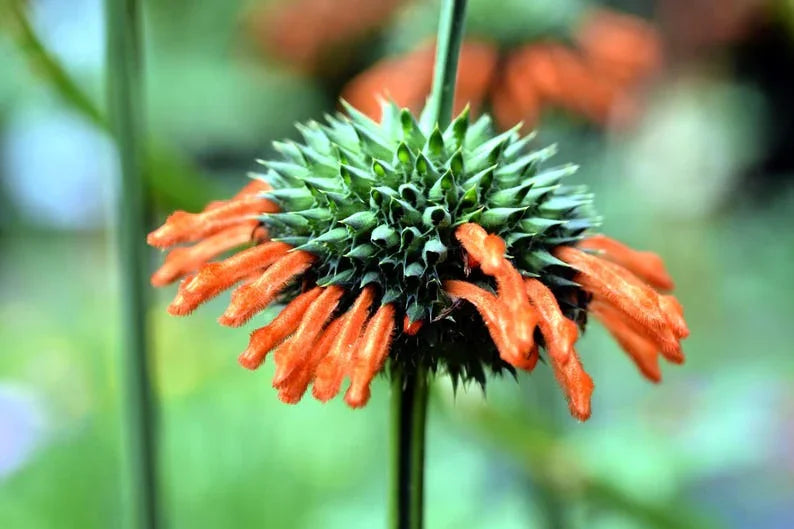
Add dramatic, fiery color to your garden with Lion’s Ear (Leonotis leonurus), also known as Wild Dagga. This fast-growing ornamental produces striking whorls of bright orange tubular flowers that stack along tall stems — creating a bold architectural statement from late summer through fall.
Native to South Africa, Lion’s Ear is a drought-tolerant, sun-loving plant that thrives in warm climates and attracts hummingbirds, butterflies, and bees in abundance.
🌿 Why Grow Lion’s Ear?
✅Brilliant orange, tiered blooms
✅Attracts hummingbirds & butterflies
✅Drought tolerant once established
✅Fast-growing & easy to maintain
✅Excellent for borders & pollinator gardens
✅Unique architectural plant
📋 Plant Details
-
Botanical Name: Leonotis leonurus
-
Common Names: Lion’s Ear, Wild Dagga
- Plant Type: Tender perennial (grown as annual in colder zones)
-
Height: 4–6 feet
-
Bloom Color: Bright Orange
-
Bloom Season: Late Summer to Fall
-
Light: Full Sun
-
Soil: Well-drained soil
- Zones: 8–11 (annual in cooler regions)
🌞 Growing Instructions
- Start seeds indoors 6–8 weeks before last frost
- Sow lightly on soil surface and cover thinly
- Keep soil warm (70–75°F) and moist
- Germination typically occurs within 10–20 days
- Transplant outdoors after danger of frost has passed
Lion’s Ear thrives in heat and performs best in sunny, dry conditions.
🌼 Landscape Uses
- Pollinator gardens
- Cottage gardens
- Xeriscapes
- Back-of-border plantings
- Statement specimen plant
❓ Frequently Asked Questions (FAQ)
Is Lion’s Ear perennial?
It is perennial in zones 8–11 but grown as an annual in colder climates.
Does it tolerate drought?
Yes — once established, it handles dry conditions very well.
How tall does it grow?
Plants typically reach 4–6 feet tall.
Is it good for pollinators?
Absolutely — it attracts hummingbirds, bees, and butterflies.