HarvestNest Seeds
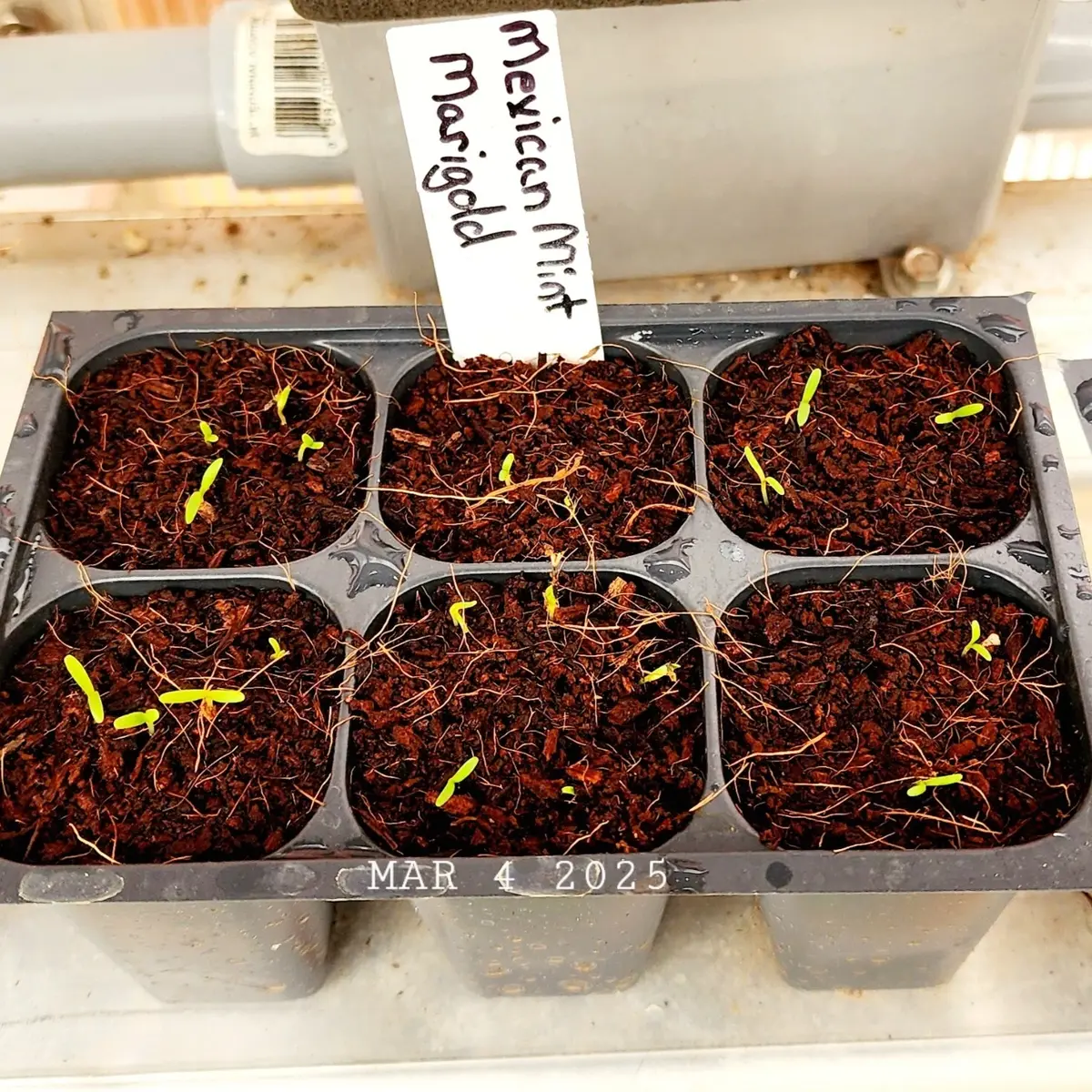
600 Mexican Mint Marigold Seeds – Tagetes lucida
600 Mexican Mint Marigold Seeds – Tagetes lucida
FREE shipping over $100
Couldn't load pickup availability
💳 No PayPal account required — debit and credit cards are accepted.
Cart size discount
| Cart size | Buy 3+ | Buy 6+ | Buy 9+ |
|---|---|---|---|
| Discount | 5% | 10% | 15% |
Bigger Cart, Bigger Discount
- Fast USA Delivery
- High Germination Guarantee
- 100% Secure Checkout
Trusted by home gardeners across the USA 🌿
Mexican Mint Marigold (Tagetes lucida) is a flavorful culinary and medicinal herb that thrives where traditional French tarragon struggles. If you live in a hot, dry climate, this is your ideal tarragon substitute.
With its distinct anise-like flavor, upright growth habit, and cheerful yellow blooms, this perennial herb is both useful and beautiful in the garden.
🌼 Why Grow Mexican Tarragon?
✅Excellent French Tarragon substitute
✅Heat & drought tolerant
✅Perennial in warm climates
✅Beautiful yellow blooms
✅Culinary + medicinal uses
✅Pollinator-friendly
🌱 Plant Details
- Botanical Name: Tagetes lucida
- Common Names: Mexican Tarragon, Texas Tarragon, Mexican Mint Marigold
- Plant Type: Perennial (in warm zones)
- Growth Habit: Upright bushy form
- Leaf Color: Soft gray-green
- Leaf Length: Approx. 2.5 inches
- Flower Color: Bright yellow
- Germination: 4–14 days
- Maturity: 80–90 days
🍽 Culinary Uses
Mexican Tarragon has a pleasant anise flavor, making it perfect for:
- Chicken & fish dishes
- Vinegars & infused oils
- Herbal teas
- Sauces & dressings
- Southwestern cuisine
Unlike French Tarragon, it thrives in hot, dry regions, making it a reliable herb in southern gardens.
🌞 Growing Tips
- Sow seeds in well-draining soil
- Full sun preferred
- Keep soil lightly moist until established
- Excellent for herb gardens, borders, and containers
- Cut back lightly to encourage bushier growth
❓ Frequently Asked Questions (FAQ)
Is this the same as French Tarragon?
It’s a heat-tolerant substitute with a similar look and flavor, but slightly more anise-forward.
Is it perennial?
Yes, in warm climates. In cooler zones, it may be grown as an annual.
Can I grow it in containers?
Absolutely — it performs very well in pots.
Does it attract pollinators?
Yes! The yellow flowers attract bees and beneficial insects.