HarvestNest Seeds
100 Texas Bluebonnet Lupine Seeds – Lupinus texensis
100 Texas Bluebonnet Lupine Seeds – Lupinus texensis
Couldn't load pickup availability
💳 No PayPal account required — debit and credit cards are accepted.
Cart size discount
| Cart size | Buy 3+ | Buy 6+ | Buy 9+ |
|---|---|---|---|
| Discount | 5% | 10% | 15% |
Plant More, Save More
Trusted by home gardeners across the USA 🌿
🌱 Free Shipping on Orders $50 🚚
🌱 High Germination Guarantee
🔒 Secure Checkout
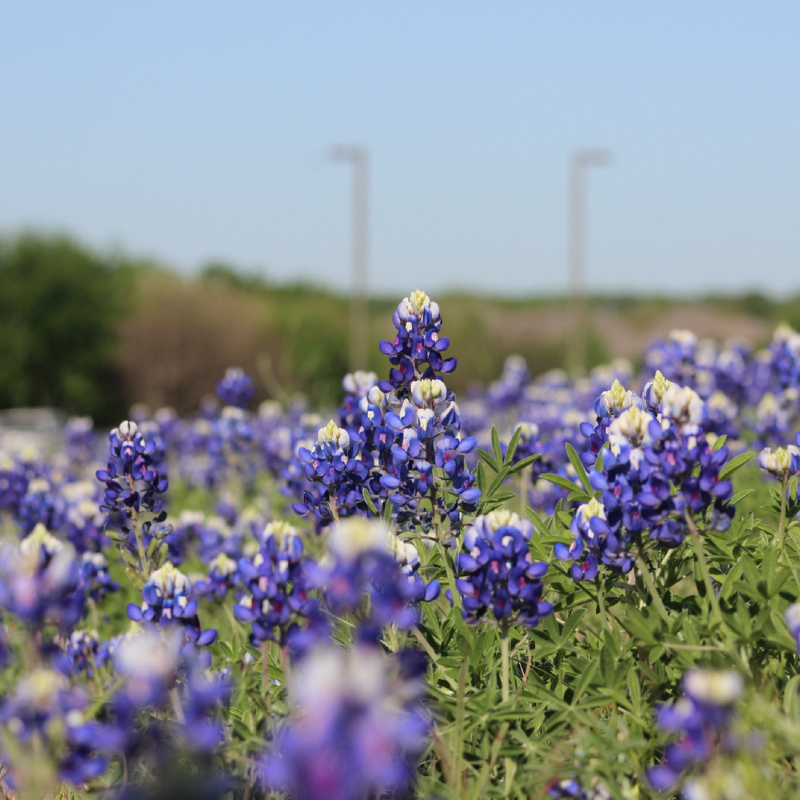
Grow the iconic Texas Bluebonnet (Lupinus texensis), a beloved spring-blooming wildflower known for its vivid blue flower spikes tipped with white. This annual lupine is ideal for sunny wildflower gardens, borders, meadow-style plantings, and pollinator-friendly landscapes.
Quick Facts
- Quantity: 100 Seeds
- Botanical Name: Lupinus texensis
- Common Name: Texas Bluebonnet
- Plant Type: Annual Wildflower
- Sunlight: Full Sun
- Flower Color: Blue with White Tips
- Bloom Season: Spring
- Mature Height: Approximately 12–24 Inches
- Soil: Well-Draining, Sandy to Loamy Soil
- Water Needs: Low to Moderate Once Established
- Seed Treatment: Scarification Recommended
- Pollinator Friendly: Yes
- Best Uses: Wildflower Gardens, Borders, Meadows & Naturalized Plantings
Why You’ll Love It
- Iconic Blue Blooms – Produces striking blue flower spikes with contrasting white tips.
- Excellent for Wildflower Gardens – Creates beautiful seasonal color in sunny landscapes.
- Pollinator Friendly – Flowers attract bees and other beneficial pollinators.
- Low-Maintenance Beauty – Performs well in lean, well-draining soils once established.
- Natural Reseeding Potential – Plants may reseed under favorable conditions.
About Texas Bluebonnet
Lupinus texensis is one of the best-known native wildflowers of Texas and is especially admired for its dense spring displays of blue flowers.
Plants form low rosettes before sending up upright flower spikes, creating a classic meadow effect when planted in groups. Texas Bluebonnet performs best in sunny locations with excellent drainage and generally prefers soils that are not overly rich or constantly wet.
Perfect For
- Wildflower gardens
- Pollinator gardens
- Meadow-style landscapes
- Sunny borders
- Naturalized planting areas
- Cottage gardens
- Roadside-style displays
- Mass planting
How to Grow from Seed
1. Scarify the Seeds
Texas Bluebonnet seeds have a hard outer coat that can slow water absorption.
Before planting, gently nick or lightly sand the seed coat to help moisture reach the embryo more easily.
2. Choose the Planting Time
In mild-winter climates, Bluebonnets are commonly sown in fall so seedlings can establish before spring flowering.
In colder climates, sowing timing may need to be adjusted based on frost and winter conditions.
3. Prepare the Soil
Choose a sunny site with loose, well-draining soil.
Avoid heavy, poorly drained areas, as Bluebonnets do not perform well when roots remain constantly wet.
4. Sow
Plant seeds shallowly and cover them with approximately 1/8–1/4 inch of soil.
Press the soil gently to ensure good seed-to-soil contact.
5. Water
Water gently after planting and maintain light, consistent moisture while seedlings become established.
Once mature, plants generally prefer drier conditions.
Growing Tips
- Full sun produces the strongest flowering.
- Scarification can help improve and speed germination.
- Avoid overwatering established plants.
- Do not use excessively rich soil or heavy nitrogen fertilizer.
- Good drainage is especially important during cool weather.
- Allow mature seed pods to dry naturally if you want plants to reseed.
- Avoid disturbing established seedlings unnecessarily because lupines develop sensitive root systems.
❓ Frequently Asked Questions (FAQ)
Do Texas Bluebonnet seeds need scarification?
Scarification is recommended because the seeds have a naturally hard coat. Lightly sanding or nicking the seed coat can help improve water absorption and encourage germination.
When should I plant Texas Bluebonnet seeds?
Fall sowing is typically preferred in mild-winter climates so plants can establish during cooler weather and flower the following spring.
Does Texas Bluebonnet need full sun?
Yes. Texas Bluebonnets perform best in full sun and may flower poorly in heavily shaded areas.
Will Texas Bluebonnets come back every year?
Texas Bluebonnet is an annual, but mature plants can produce seed and may naturally reseed when conditions are favorable.
Are Texas Bluebonnets good for pollinators?
Yes. Their spring flowers attract bees and other pollinating insects.